
The #1 Diet to Lose Fat (FOR GOOD!)
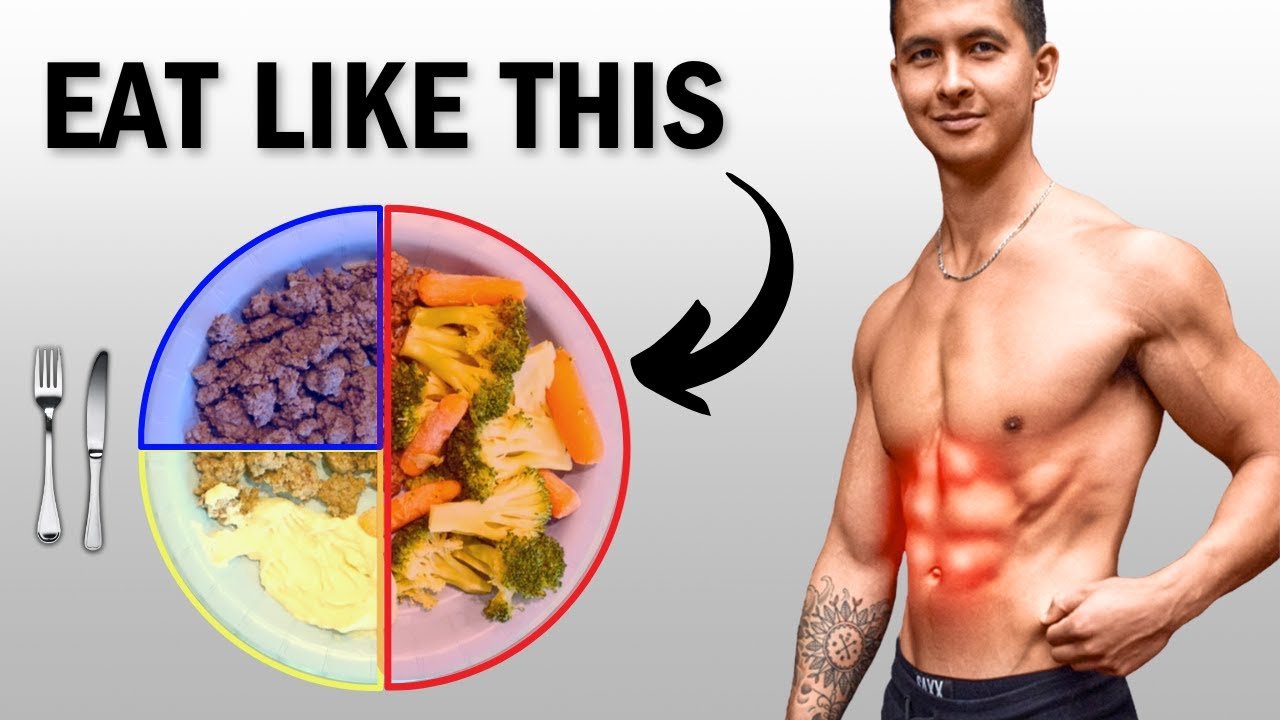

The Ultimate Fat Loss Strategy That Lasts
Watch the full video on YouTube
The #1 Diet to Lose Fat (FOR GOOD!)
Why Most Diets Fail to Deliver Lasting Fat Loss
Before jumping into the best diet to lose fat for good, it’s crucial to understand why so many diets don’t work long-term.Many fad diets emphasize rapid weight loss through extreme calorie restriction, elimination of entire food groups, or unsustainable routines. These approaches often lead to:
- Muscle loss instead of fat loss
- Metabolic slowdown
- Yo-yo dieting and weight regain
- Nutrient deficiencies
- Poor mental health and food obsession
So, what’s the choice? A sustainable, science-backed approach that promotes fat loss while preserving muscle and metabolic health.
The #1 Diet to lose Fat for Good: The Balanced Caloric Deficit Approach
The most effective and sustainable way to lose fat permanently is through a balanced caloric deficit diet. This means consuming fewer calories than your body needs to maintain its current weight—but not so few that your metabolism slows drastically or you feel deprived.
Key Components of the balanced Caloric Deficit Diet
- Moderate Calorie Reduction: Aim for a 15-25% calorie deficit based on your Total Daily Energy Expenditure (TDEE).
- High Protein Intake: Supports muscle retention and keeps you fuller longer. Aim for 1.2-1.6 grams of protein per kg of body weight.
- Healthy Fats: Essential fats from sources like avocados, nuts, olive oil, and fatty fish help hormone balance and provide satiety.
- Complex Carbohydrates: Choose whole grains,legumes,vegetables,and fruits that provide fiber and sustain energy.
- Hydration: drink plenty of water to aid metabolism and reduce water retention.
- Consistent Meal Timing: Eating balanced meals spaced evenly helps regulate hunger hormones.
Benefits of the Balanced Caloric Deficit Diet
- Fat Loss With muscle Preservation: Higher protein and controlled deficit help maintain lean muscle mass.
- Metabolic Health: Prevents metabolic slowdown by avoiding severe calorie cuts.
- sustainable Lifestyle: Balanced eating patterns fit easily into everyday life.
- Improved Energy Levels: Adequate nutrients and calories prevent energy crashes.
- Better Psychological Well-being: No food group elimination reduces feelings of deprivation and improves mood.
Practical Tips to Implement the Balanced Caloric Deficit Diet
- Calculate Your TDEE: Use reliable online calculators to estimate your daily calorie needs.
- Track Your Intake: Apps like MyFitnessPal can help you stay within your calorie and macro goals.
- Prioritize Protein: Include a source of lean protein in every meal.
- Choose Whole Foods: Minimize processed foods that are calorie-dense but nutrient-poor.
- Practice Portion control: Use smaller plates and measure servings to avoid overeating.
- Stay Active: Combine your diet with resistance training and moderate cardio for optimal fat loss.
- Be Patient and Consistent: Aim for steady fat loss of 0.5-1 pound per week.
Sample Meal Plan for Fat Loss
| Meal | Example Foods | Calories | Protein (g) |
|---|---|---|---|
| Breakfast | Oats with Greek yogurt, berries, and walnuts | 350 | 25 |
| Lunch | Grilled chicken breast, quinoa, steamed broccoli | 450 | 40 |
| Snack | Apple with almond butter | 200 | 5 |
| Dinner | Baked salmon, sweet potato, mixed greens salad | 500 | 45 |
Case Study: fat Loss Success with sustainable Dieting
Sarah, a 35-year-old office worker, struggled with yo-yo dieting and weight regain for years. After switching to a balanced caloric deficit diet, she began with a 20% calorie reduction, increased her protein intake, and incorporated strength training. Over six months, Sarah lost 25 pounds of fat while gaining lean muscle, and she reports feeling more energetic and confident. Importantly, she maintains her weight loss to this day by sticking to her balanced eating habits.
Common Myths Debunked
Myth 1: You Need to Cut Carbs Fully to Lose Fat
Carbohydrates,especially from whole grains and veggies,are a vital energy source. Cutting carbs entirely can reduce performance and lead to nutrient deficiencies.
Myth 2: Fat is the Enemy
Healthy fats support hormone production and fullness. Avoid low-fat gimmicks; include avocados, nuts, and olive oil in moderation.
Myth 3: Starving Yourself is the Fastest Way to Lose Fat
Severe calorie restriction slows metabolism and causes muscle loss, making fat loss harder and unsustainable.
First-Hand Experience: How I Lost Fat and Kept It Off
When I first started my fat loss journey, I tried crash diets that left me drained and frustrated. switching to a balanced caloric deficit approach changed everything. By eating enough protein, enjoying nutrient-dense foods, and allowing myself occasional treats, I lost fat steadily without feeling deprived. Combining this with strength training preserved my muscle and boosted my confidence. This diet is sustainable, and I now maintain my fat loss without constant struggle.
Final Thoughts: Make This Diet Work For You
Losing fat for good isn’t about fast fixes; it’s about creating a sustainable lifestyle that respects your body’s needs. The balanced caloric deficit diet focuses on nutrient quality, moderate calorie reduction, and consistency. Start slow, track your progress, and embrace habits you can maintain long term for true fat loss success.