

Low carb and intermittent fasting help fatty liver
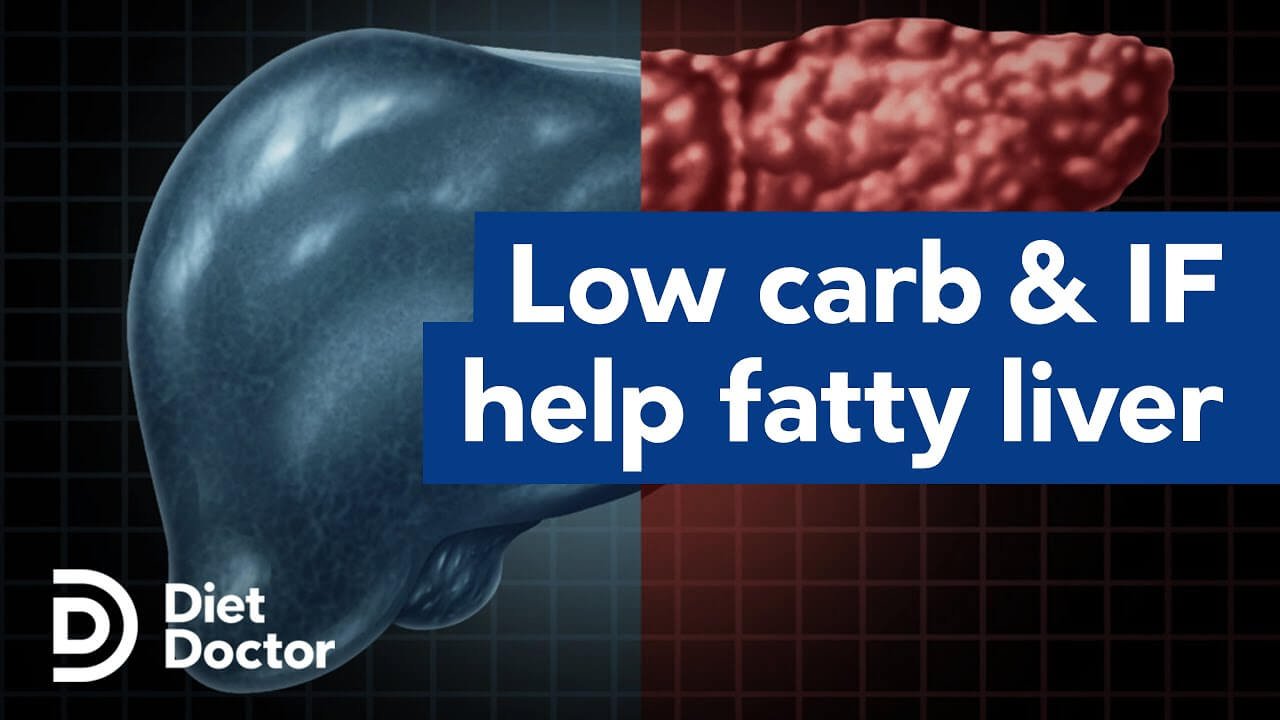

Effective Strategies for Managing Fatty Liver: Low-Carb Diet and Intermittent Fasting
Understanding Fatty liver Disease
Fatty liver disease, characterized by excessive fat accumulation in liver cells, is a growing health concern worldwide. It can lead to serious complications such as liver inflammation, fibrosis, and even cirrhosis if left unmanaged. Lifestyle modifications, particularly dietary changes, play a crucial role in reversing or controlling this condition.
The Role of Low-Carbohydrate Diets in Liver Health
Adopting a low-carbohydrate eating plan has shown promising results in reducing liver fat content. By limiting carbohydrate intake, the body shifts its energy source from glucose to fat, promoting fat breakdown and reducing fat storage in the liver. Recent studies indicate that individuals following low-carb diets experience meaningful improvements in liver enzyme levels and insulin sensitivity, both critical markers of liver function.
intermittent Fasting: A Powerful Tool for Liver Fat Reduction
Intermittent fasting,which involves cycling between periods of eating and fasting,has gained popularity for its metabolic benefits. This eating pattern helps decrease liver fat by enhancing fat oxidation and improving insulin resistance. Such as, a 16:8 fasting schedule—fasting for 16 hours and eating within an 8-hour window—has been linked to reductions in liver fat and improved metabolic health in clinical trials.
Combining Low-Carb Diet and Intermittent Fasting for Optimal Results
Integrating a low-carb diet with intermittent fasting can amplify the benefits for fatty liver management. This combination encourages the body to utilize stored fat more efficiently, leading to faster reductions in liver fat and better overall metabolic outcomes. Patients adopting this dual approach often report increased energy levels and improved weight management, which further supports liver health.
Practical Tips for Implementation
- Start by gradually reducing carbohydrate intake, focusing on whole foods like vegetables, lean proteins, and healthy fats.
- Choose an intermittent fasting schedule that fits your lifestyle, such as 16:8 or 5:2 fasting.
- Stay hydrated and monitor your body's response to dietary changes.
- Consult with a healthcare professional before beginning any new diet or fasting regimen, especially if you have underlying health conditions.
Additional resources
For a detailed description and expert insights on how low-carb diets and intermittent fasting can aid in managing fatty liver, watch this informative video:
View on YouTube