

Keto Diet VS Intermittent Fasting: Doctor’s Verdict!
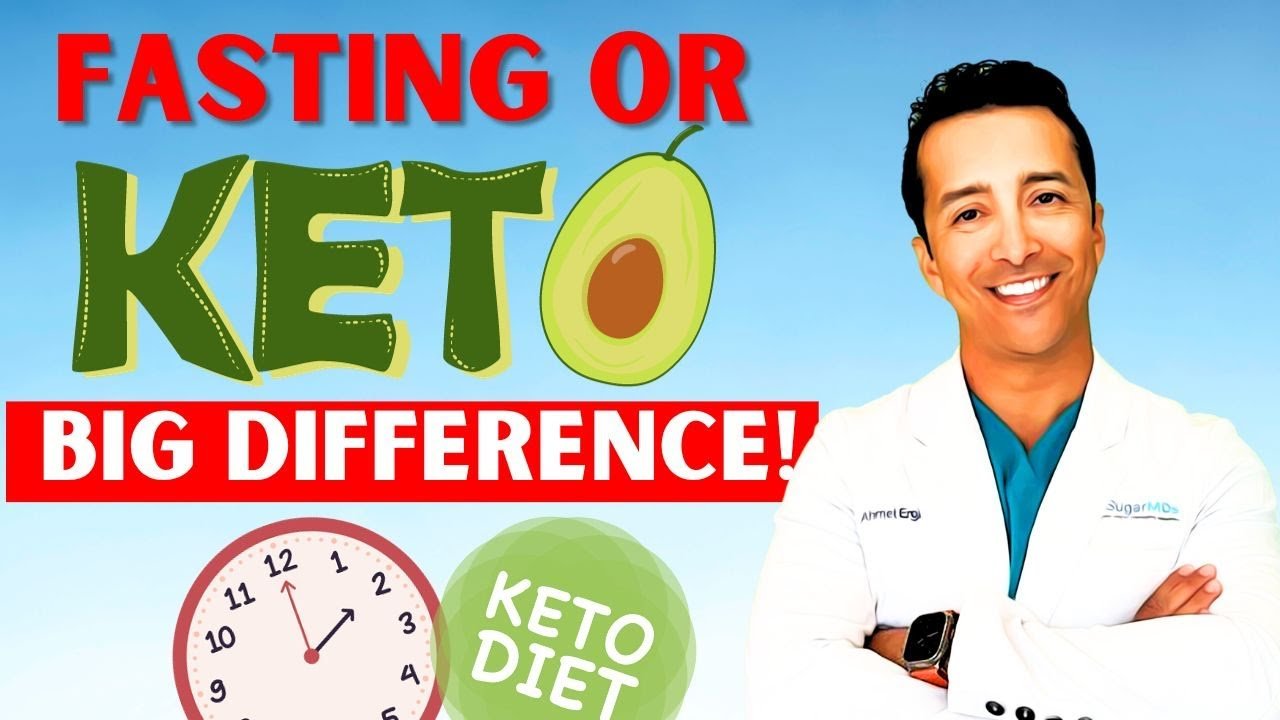

Keto Diet vs.Intermittent Fasting: Expert Insights and Comparisons
Understanding the Keto Diet and Intermittent Fasting
The ketogenic diet, commonly known as the keto diet, emphasizes a high-fat, moderate-protein, and very low-carbohydrate intake to shift the body’s metabolism into a state called ketosis. In ketosis,the body burns fat for fuel instead of carbohydrates,which can lead to weight loss and improved energy levels.
Intermittent fasting (IF),on the other hand,is an eating pattern that cycles between periods of eating and fasting. Popular methods include the 16/8 approach, where one fasts for 16 hours and eats during an 8-hour window, and the 5:2 method, which involves eating normally five days a week and considerably reducing calorie intake on two non-consecutive days.
Health Benefits and Scientific Backing
Both the keto diet and intermittent fasting have been linked to various health benefits. Research shows that the keto diet can help reduce blood sugar levels, improve insulin sensitivity, and support neurological health. For example, a 2023 study found that keto helped reduce HbA1c levels in type 2 diabetes patients by up to 1.5% over 12 weeks.
Intermittent fasting has been associated with improved metabolic health, reduced inflammation, and enhanced cellular repair processes. A recent clinical trial demonstrated that IF could lower markers of oxidative stress and improve cardiovascular health by reducing LDL cholesterol and triglycerides.
Comparing Weight Loss and Sustainability
When it comes to shedding pounds, both approaches can be effective, but they work differently. The keto diet promotes fat burning through carbohydrate restriction, while intermittent fasting reduces overall calorie intake by limiting eating windows. A 2024 meta-analysis revealed that individuals practicing intermittent fasting lost an average of 7-10% of their body weight over 3-6 months, comparable to keto diet results.
However, sustainability varies. Some find the keto diet restrictive due to its strict macronutrient limits, while others struggle with hunger during fasting periods. Personal preference and lifestyle play crucial roles in determining which method is more maintainable long-term.
Potential Drawbacks and Considerations
Both diets have potential downsides. The keto diet may cause initial side effects like the “keto flu,” characterized by fatigue and headaches, and long-term adherence might impact kidney function or nutrient balance if not carefully managed.
Intermittent fasting can lead to overeating during eating windows or cause irritability and low energy during fasting periods. It’s also not recommended for individuals with certain medical conditions or those who are pregnant or breastfeeding.
Expert Recommendations and Final Thoughts
Healthcare professionals frequently enough suggest tailoring dietary approaches to individual needs and health goals. Combining elements of both—such as following a low-carb diet with intermittent fasting—has gained popularity and may offer synergistic benefits.
Ultimately, consulting with a healthcare provider or nutritionist is essential before starting either regimen to ensure safety and effectiveness.
Watch the Full Expert Discussion
View the video on YouTube for an in-depth expert analysis.