

Intermittent Fasting: Effortless Diet Plan for Fat Loss
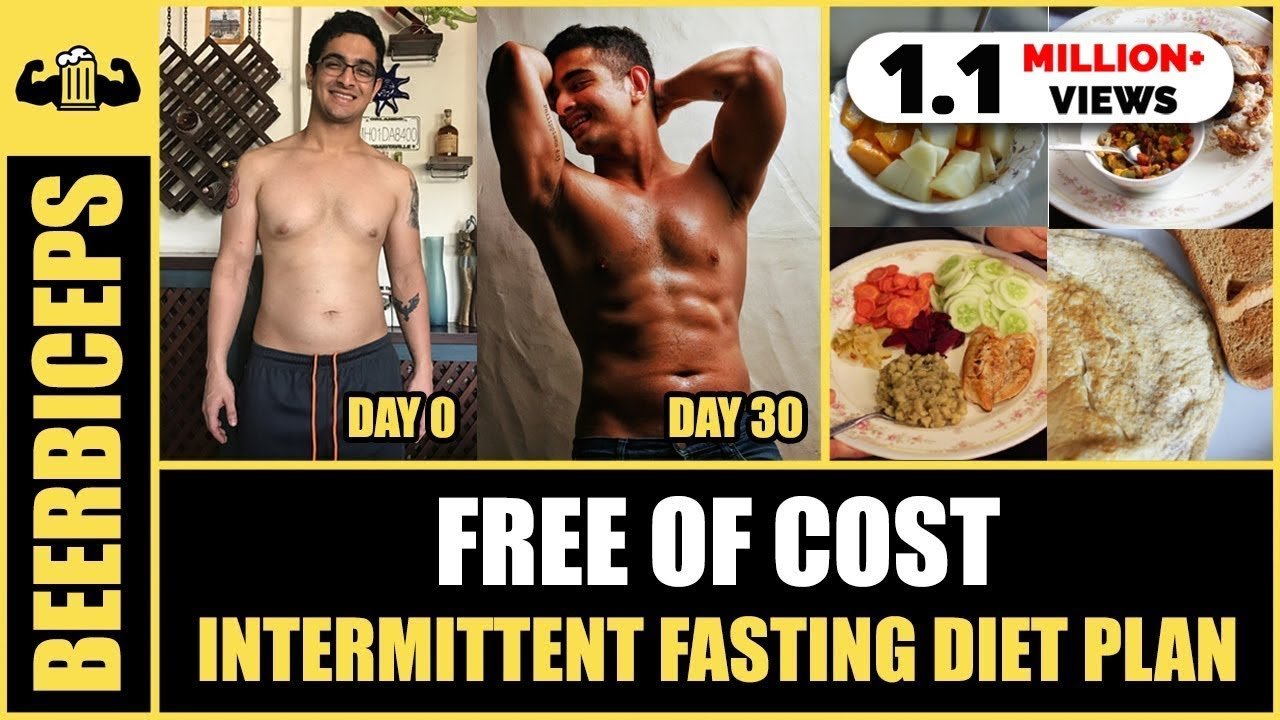
Intermittent Fasting: A Simple and Effective Strategy for Fat Reduction
Intermittent fasting (IF) has surged in popularity as a practical and efficient method for managing weight and reducing body fat. This eating pattern alternates between designated periods of eating and fasting, enabling the body to utilize fat stores more effectively while streamlining meal planning. In this article, we delve into the mechanisms behind intermittent fasting, it's advantages, and practical tips for integrating it smoothly into your daily routine.
Understanding Intermittent Fasting
Intermittent fasting focuses on the timing of food intake rather than the specific types of food consumed. By controlling when you eat, you can enhance your body's natural fat-burning capabilities. Common approaches include the 16/8 method, which involves fasting for 16 hours and eating within an 8-hour window, and the 5:2 method, where normal eating occurs five days a week, and calorie intake is significantly reduced on two non-consecutive days.
How Intermittent Fasting Works: The Science Explained
When you fast, your body undergoes several metabolic shifts.Insulin levels decrease, which facilitates the breakdown of fat for energy. Concurrently, levels of growth hormone rise, supporting muscle maintenance and fat loss. These hormonal changes optimize your body's ability to burn stored fat efficiently.
Additionally, intermittent fasting stimulates autophagy, a cellular cleanup process that removes damaged components and supports overall cellular health. This mechanism not only promotes longevity but also enhances your body's resilience.
Key Advantages of Intermittent Fasting for Fat Loss
1.Ease of Implementation: One of the standout benefits of intermittent fasting is its simplicity. With fewer meals to prepare and plan, it reduces the complexity often associated with dieting. There’s no need for meticulous calorie counting or tracking macronutrients—just focus on your eating schedule.
2. Accelerated Fat utilization: During fasting periods, the body depletes its glycogen reserves and shifts to burning fat for fuel, perhaps leading to more effective fat loss compared to conventional diets.3. Enhanced Insulin Function: Regular fasting helps improve insulin sensitivity,making it easier for your body to access and burn stored fat. This enhancement also supports better metabolic health overall.
4. Boosted Mental Focus: many individuals report increased mental clarity and concentration during fasting periods, as the absence of food-related distractions allows for greater cognitive performance.
Intermittent Fasting: Effortless diet Plan for Fat Loss
What is Intermittent Fasting?
Intermittent fasting (IF) is an eating pattern that alternates between periods of fasting and eating. Unlike traditional diets, it doesn't focus on what you eat but rather when you eat. this approach helps your body tap into stored fat for energy,making it an effective fat loss strategy.
Popular Intermittent Fasting Methods

Here are some common intermittent fasting plans you can choose from based on your lifestyle and goals:
| Fasting Method | Fasting Window | Eating Window | Description |
|---|---|---|---|
| 16/8 Method | 16 hours | 8 hours | Fast for 16 hours daily; eat only during an 8-hour window. |
| 5:2 Diet | 2 non-consecutive days | 5 normal days | Eat normally 5 days; restrict calories to 500-600 for 2 days. |
| Eat-Stop-Eat | 24 hours | After fasting | Fast once or twice a week for a full 24 hours. |
| Alternate Day Fasting | Every other day | Normal eating days alternate | Alternate between fasting days and regular eating days. |
How Intermittent Fasting Promotes Fat Loss
- Calorie Reduction: By limiting your eating window, you naturally reduce your calorie intake without counting calories obsessively.
- Hormone optimization: IF boosts human growth hormone (HGH) and lowers insulin levels, facilitating fat burning and muscle preservation.
- Improved Metabolism: Fasting helps increase metabolic rate, allowing your body to burn more calories even at rest.
- Enhanced Fat Oxidation: With regular fasting, your body becomes efficient at burning stored fat for energy.
Scientific benefits of Intermittent Fasting
Besides fat loss,intermittent fasting is linked to several health benefits backed by scientific research:
- Improved blood sugar control and insulin sensitivity
- Reduced inflammation and oxidative stress
- Better heart health via reduced cholesterol and blood pressure
- Enhanced brain health and cognitive function
- Potential longevity benefits through cellular repair and autophagy
Practical Tips to Get Started with Intermittent Fasting
Transitioning into intermittent fasting can be effortless with the right approach. Here are some tips to help you succeed:
- Start Slow: Begin with a 12-hour fast and gradually increase to 16 hours.
- Stay Hydrated: Drink plenty of water, herbal tea, or black coffee during fasting periods.
- Eat Balanced meals: Focus on nutrient-dense foods like lean proteins, healthy fats, and fiber-rich vegetables.
- Listen to Your Body: If you feel weak or dizzy, adjust your fasting window or eat small amounts during fasting.
- Plan Social Meals: Fit your fasting schedule around social events to maintain consistency without stress.
Intermittent Fasting: Firsthand Experience
Many people report notable fat loss and improved energy levels after starting intermittent fasting. Such as, Amy, a 35-year-old, shared:
“Switching to the 16/8 method was a game-changer. I lost stubborn belly fat without feeling deprived or counting calories.Plus, my energy and mental clarity improved drastically.”
Common Myths About Intermittent Fasting
- Myth: Fasting causes muscle loss.
Fact: When done properly with adequate protein intake, IF preserves muscle mass.
- Myth: You can eat anything during eating windows.
Fact: Quality food matters for overall health and sustained fat loss.
- Myth: Fasting slows down metabolism.
Fact: Short-term fasting often increases metabolic rate.
Intermittent Fasting and Exercise
Combining intermittent fasting with regular exercise can accelerate fat loss and improve fitness. Here’s how to optimize workouts while fasting:
- Schedule moderate workouts during your eating windows or just before eating for best energy.
- Stay hydrated and consider electrolyte supplementation if doing intense training.
- Include both strength training and cardio for balanced fat loss and muscle maintenance.
- Listen to your body; if you feel fatigued, reduce session intensity or shift workout timing.
Who Should Avoid Intermittent Fasting?
While intermittent fasting is safe for many, it is not suitable for everyone. Avoid fasting if you are:
- Pregnant or breastfeeding
- Have a history of eating disorders
- Managing chronic medical conditions without doctor supervision
- Underweight or have nutrient deficiencies
- children or teenagers during growth phases
summary table of Intermittent Fasting Benefits
| Benefit | Description |
|---|---|
| Fat Loss | Reduces calorie intake and boosts fat burning hormones. |
| Improved Metabolism | Enhances metabolic rate and energy expenditure. |
| Better Blood Sugar control | Enhances insulin sensitivity and lowers blood sugar levels. |
| Heart Health | Lowers cholesterol, blood pressure, and inflammation. |
| brain Function | supports cognitive health and protects against neurodegenerative diseases. |
5. Adaptability: Intermittent fasting can be tailored to fit diverse lifestyles and preferences, whether you favor larger meals spaced out or smaller, more frequent eating windows.
Getting Started with Intermittent Fasting: Practical Tips
Embarking on intermittent fasting can be straightforward with these guidelines:
1. Select a Suitable fasting Plan: Choose a fasting schedule that aligns with your daily routine. Beginners often find the 16/8 method manageable, while seasoned practitioners might opt for 24-hour fasts once or twice weekly.
2. Maintain Hydration: Drink ample water during fasting periods. Herbal teas and black coffee are also excellent choices to help suppress appetite.
3. Break Your Fast with Nutrient-Rich Foods: When it’s time to eat,prioritize meals rich in lean proteins,healthy fats,and a variety of fruits and vegetables to replenish your body effectively.4. Monitor Your Body’s Signals: Pay close attention to how you feel and adjust your fasting approach if necessary to find what works best for you.
5.Commit to Consistency: like any lifestyle change, sustained practice is crucial. Give your body several weeks to adapt to your chosen fasting regimen.
Challenges to Consider When Practicing Intermittent Fasting
While intermittent fasting offers many benefits, some challenges may arise. Initial hunger and reduced energy levels are common as your body adapts. It’s vital to consume balanced, nutritious meals during eating windows to avoid negating the benefits through unhealthy binge eating. Individuals with pre-existing health conditions should consult a healthcare professional before beginning intermittent fasting.
Final Thoughts: Harnessing the Power of Intermittent Fasting
Intermittent fasting presents a straightforward and effective approach to fat loss that simplifies eating habits while enhancing overall health. From boosting fat metabolism to improving mental sharpness, this method can be a valuable addition to your wellness toolkit. With patience, consistency, and attentiveness to your body’s needs, intermittent fasting can transform your relationship with food and support lasting health improvements.