

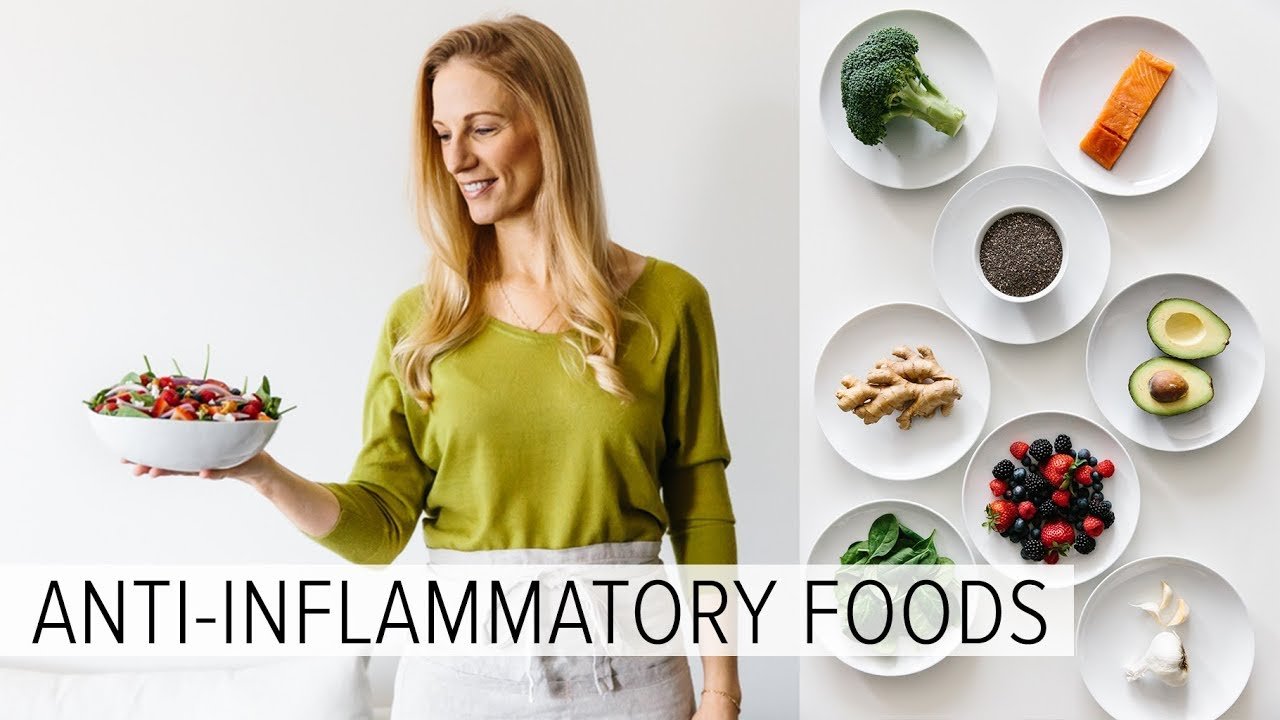
ANTI-INFLAMMATORY FOODS | what I eat every week

Watch on YouTube
ANTI-INFLAMMATORY FOODS | What I Eat Every Week
Why Choose Anti-Inflammatory Foods?
Chronic inflammation is linked to many health issues, including heart disease, arthritis, diabetes, and even some cancers. To combat this, I focus on consuming nutrient-rich, anti-inflammatory foods every week. Thes foods not only help reduce inflammation but also improve overall energy, boost immunity, and support healthy aging.
Top Anti-Inflammatory Foods I eat Every Week
Below is a list of the core anti-inflammatory foods incorporated into my weekly diet. These are rich in antioxidants, vitamins, minerals, and beneficial compounds like omega-3 fatty acids and polyphenols.
| Food Category | Specific Foods | key Benefits |
|---|---|---|
| Fruits | Blueberries, cherries, oranges, strawberries, pineapple | High in antioxidants and vitamin C to reduce inflammation |
| Vegetables | Spinach, kale, broccoli, Brussels sprouts, sweet potatoes | Rich in vitamins, fiber, and anti-inflammatory phytochemicals |
| Healthy Fats | Avocado, olive oil, flaxseeds, walnuts | Omega-3 fatty acids and monounsaturated fats that lower inflammation |
| Proteins | Wild salmon, lean turkey, lentils, chickpeas | Lean and plant-based proteins prevent inflammatory responses |
| Herbs & Spices | Turmeric, ginger, garlic, cinnamon | Natural anti-inflammatory agents with powerful antioxidants |
| Whole Grains | Quinoa, brown rice, oats | High in fiber which supports gut health and reduces inflammation |
My Weekly Anti-Inflammatory Food Plan
Here’s a snapshot of a typical weekly eating plan focused on anti-inflammatory foods. This plan balances variety and consistency, ensuring my body gets essential nutrients daily.
- Monday: Breakfast with oatmeal, blueberries, and flaxseeds; lunch with spinach salad and grilled salmon; dinner quinoa with roasted broccoli and turmeric-spiced chicken.
- Tuesday: Smoothie with kale, pineapple, and ginger; chickpea curry with brown rice; mixed berries for dessert.
- Wednesday: Avocado toast on whole grain bread; lentil soup with garlic and turmeric; steamed sweet potatoes and roasted Brussels sprouts.
- Thursday: Greek yogurt with strawberries and walnuts; turkey breast with quinoa and sautéed spinach; ginger tea.
- Friday: Chia pudding with oranges; wild salmon with steamed broccoli and olive oil drizzle; cinnamon-spiced roasted carrots.
- Saturday: Omelet with garlic and kale; vegetable stir-fry with brown rice; fresh cherries as a snack.
- Sunday: Smoothie bowl with mixed berries, flaxseeds, and a hint of turmeric; chickpea salad with avocado; roasted sweet potato with garlic and ginger.
Benefits of Eating Anti-Inflammatory Foods Regularly

- Reduced Risk of Chronic Diseases: Decreasing inflammation helps lower the risk of heart disease, diabetes, and cancer.
- Improved Joint Health: Anti-inflammatory foods can ease symptoms of arthritis and promote joint mobility.
- enhanced brain Function: Foods rich in antioxidants support cognitive health and may reduce risks of neurodegenerative diseases.
- Weight Management: Many anti-inflammatory foods are nutrient-dense and low in unhealthy fats, helping maintain a healthy weight.
- Boosted Immunity: Vitamins and minerals found in these foods strengthen the immune system.
Practical Tips for Incorporating Anti-Inflammatory Foods
- Start Small: Add a handful of berries or a drizzle of olive oil to your meals each day.
- experiment with Herbs and Spices: Use turmeric in soups or ginger in smoothies to boost flavor and anti-inflammatory benefits.
- Swap Out Processed Grains: Use whole grains like quinoa or brown rice instead of white rice or bread.
- Plan Your Meals: Prep veggies and proteins ahead to make healthy eating more convenient.
- Choose Wild-Caught Fish: Salmon rich in omega-3 is more anti-inflammatory than farmed fish.
Firsthand Experience: How Anti-Inflammatory Foods Changed My Life
As adopting a diet rich in anti-inflammatory foods, I noticed notable changes: reduced joint stiffness, more stable energy levels, clearer skin, and better digestion. Incorporating these foods doesn't require drastic lifestyle changes, just mindful choices and planning.
One standout discovery was the power of turmeric and ginger in reducing everyday aches and boosting my mood. Drinking ginger tea in the afternoon became a comforting ritual that also helped me stay hydrated and refreshed.
Foods to Avoid for Reducing Inflammation
Along with eating anti-inflammatory foods, it's crucial to limit or avoid foods that can spike inflammation, such as:
- Processed and fried foods
- Sugary drinks and snacks
- Excess red meat and processed meats
- Refined carbohydrates like white bread and pastries
- Excessive alcohol consumption
Final Thoughts on Building an anti-Inflammatory Diet
Creating a habit of eating anti-inflammatory foods every week not only supports your body’s fight against inflammation but also enhances your overall quality of life. It’s about choosing whole, natural ingredients that nourish and heal. Start by picking a few favorites from my weekly list and build from there — your body will thank you!