

Are Low Carb Diets Bad For Muscle Growth? (Science Explained)
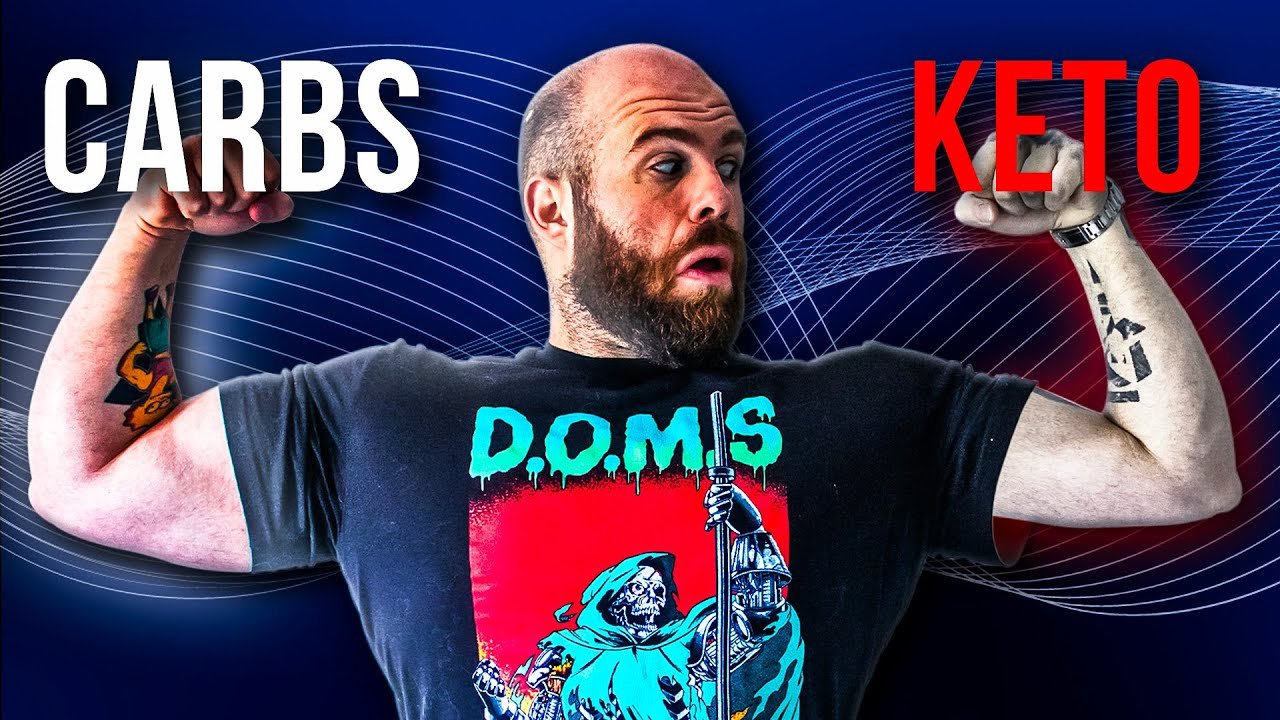

Impact of Low-Carbohydrate Diets on Muscle Development: A Scientific Overview
Understanding the Relationship Between Low-Carb Diets and Muscle Growth
Low-carbohydrate diets have gained popularity for weight management and metabolic health, but their effects on muscle growth remain a topic of debate. This article explores the scientific evidence behind how reducing carbohydrate intake influences muscle development and performance.
How Carbohydrates Affect Muscle Building
Carbohydrates serve as a primary energy source during resistance training and intense workouts.They replenish glycogen stores in muscles, which is crucial for sustaining exercise intensity and promoting recovery. When carbohydrate intake is limited, the body may rely more on fat and protein for energy, possibly impacting muscle synthesis.
Scientific Insights on Low-Carb Diets and Muscle Mass
Recent studies indicate that while low-carb diets can support fat loss, they might pose challenges for optimal muscle growth if protein intake and overall calories are not adequately managed. For example, research published in the Journal of Sports Science & Medicine highlights that athletes on ketogenic or very low-carb diets may experience reduced muscle glycogen, which can affect training volume and muscle hypertrophy.
Balancing Macronutrients for Muscle Gain on Low-Carb Plans
To maximize muscle growth while following a low-carb regimen, it is essential to prioritize sufficient protein consumption and incorporate strategic carbohydrate timing around workouts. This approach helps maintain muscle protein synthesis and supports recovery. Additionally, including nutrient-dense fats ensures energy needs are met without compromising muscle mass.
Are low Carb Diets Bad For Muscle Growth? (Science Explained)
The role of Carbohydrates in Muscle Growth
Carbohydrates are often viewed as the body's primary fuel source,especially for high-intensity and resistance training. When you consume carbs, your body breaks them down into glucose, the preferred energy substrate for your muscles during intense workouts. This glucose is stored as glycogen in your muscles and liver, serving as an immediate energy reserve.
Why does glycogen matter for muscle growth? Glycogen doesn’t just fuel your workouts; it also helps maintain muscle volume and aids in protein synthesis, which is the process of repairing and building muscle tissue.
Understanding Low carb Diets
A low carb diet typically restricts daily carbohydrate intake to about 20-100 grams, depending on the specific plan. These diets prioritize higher intakes of protein and fat and often led to a metabolic state called ketosis,where your body burns fat for fuel instead of glucose.
Popular low carb diets include:
- Keto Diet
- atkins Diet
- Paleo Diet
- Low Carb High Fat (LCHF)
Are Low Carb Diets Bad for Muscle Growth? What Science Says
This is the key question for anyone serious about both losing fat and building muscle. The science presents a nuanced picture:
1.Impact on Muscle Glycogen and Performance
Low carb diets reduce glycogen stores. Since glycogen is crucial for intense training, lower stores can lead to decreased workout performance and endurance, possibly impairing the muscle-building process.
2.Protein Intake and Muscle Synthesis
Muscle growth depends heavily on adequate protein intake and resistance training stimulus. Low carb diets often increase protein consumption, which can help maintain or even build muscle. However, extremely low carbohydrate intake can increase protein breakdown if energy needs are not met.
3. Hormonal Effects
Carbohydrates influence anabolic hormones like insulin. Insulin promotes amino acid uptake by muscles and inhibits muscle breakdown. Reduced carb intake can lower insulin levels slightly but does not necessarily hinder muscle growth if protein and calories are sufficient.
4. adaptation Period
Many experience an adaptation phase — often called “keto flu” — when transitioning to a low carb diet. During this period, performance and muscle growth markers may temporarily dip but frequently enough recover as the body adjusts to fat as the primary fuel source.
Scientific Studies Summarized
| Study | Diet Type | Duration | Findings |
|---|---|---|---|
| wilson et al. (2020) | Low Carb vs. High Carb | 8 weeks | Low carb group maintained muscle mass but had decreased high-intensity workout performance. |
| Paoli et al. (2012) | Keto Diet | 12 weeks | Improved fat loss without muscle loss; strength was maintained in weightlifters. |
| Volek et al. (2002) | Vrey Low Carb vs. Moderate Carb | 6 weeks | Muscle glycogen reduced; fat oxidation increased; strength unchanged in resistance-trained subjects. |
Benefits of Low Carb Diets for Muscle and Fitness
- Fat Loss: Low carb diets can accelerate fat burning,helping reveal muscle definition.
- Improved Insulin Sensitivity: Reduced carb intake may improve how your body handles insulin, beneficial for body composition.
- Stable Energy: Many report sustained energy levels after adaptation with fewer blood sugar spikes.
- Preservation of Lean Body Mass: Higher protein intake in low carb diets helps maintain muscle.
Practical Tips for Building Muscle on a Low Carb Diet
- Ensure Adequate protein: Aim for 1.6-2.2 grams of protein per kilogram of body weight daily to support muscle repair and growth.
- Timing of Carbs: Consider targeted carb intake around workouts to replenish glycogen and boost performance.
- Stay Hydrated: Low carb diets can cause water loss, so drink plenty of fluids and electrolytes.
- Resistance Training: Prioritize strength training to stimulate muscle growth effectively.
- Monitor and Adjust: Track progress and tweak your carb and calorie intake as needed to avoid muscle loss.
Real-Life Experience: Low Carb Muscle Growth Case Study
John, a 28-year-old athlete, switched to a ketogenic diet while continuing his weightlifting routine. During the first month, he noticed a slight drop in endurance but maintained lifting strength. By the third month, his fat percentage dropped by 5%, muscle definition improved, and lifting performance plateaued rather than declined. This illustrates how muscle gains can be sustained on a well-formulated low carb diet.
Common Myths Debunked
- Myth #1: You need tons of carbs to build muscle. Reality: Adequate protein and calories matter more, and carbs can be cycled or targeted.
- Myth #2: Low carb diets cause muscle loss. Reality: Muscle loss primarily happens from calorie deficits or lack of protein and stimulus, not carbs alone.
- Myth #3: Insulin is the only hormone that builds muscle. Reality: muscle growth depends on multiple factors including training, hormones, and nutrition.
Key Takeaway: Balancing Carbs for Optimal Muscle Growth
Low carb diets are not inherently bad for muscle growth but require thoughtful planning. By ensuring sufficient protein, calories, and training intensity, you can maintain or even increase muscle mass while benefiting from the fat loss and metabolic effects of carb restriction.
Practical Recommendations and Current Trends
Many athletes and fitness enthusiasts successfully build muscle on moderate low-carb diets by focusing on whole foods, lean proteins, and healthy fats. Emerging evidence suggests that cyclical low-carb diets, which alternate between low and higher carbohydrate days, may offer a balanced solution for muscle growth and fat loss.
Conclusion: Are Low-Carb Diets Detrimental to Muscle Growth?
While low-carb diets are not inherently harmful to muscle development, they require careful planning to ensure adequate protein intake and energy availability. Tailoring carbohydrate consumption to individual training demands and goals is key to optimizing muscle growth on any dietary plan.
Watch the Full Description
View the video on YouTube for a detailed scientific breakdown.