

How To Create The Optimal Caloric Deficit For Fat Loss
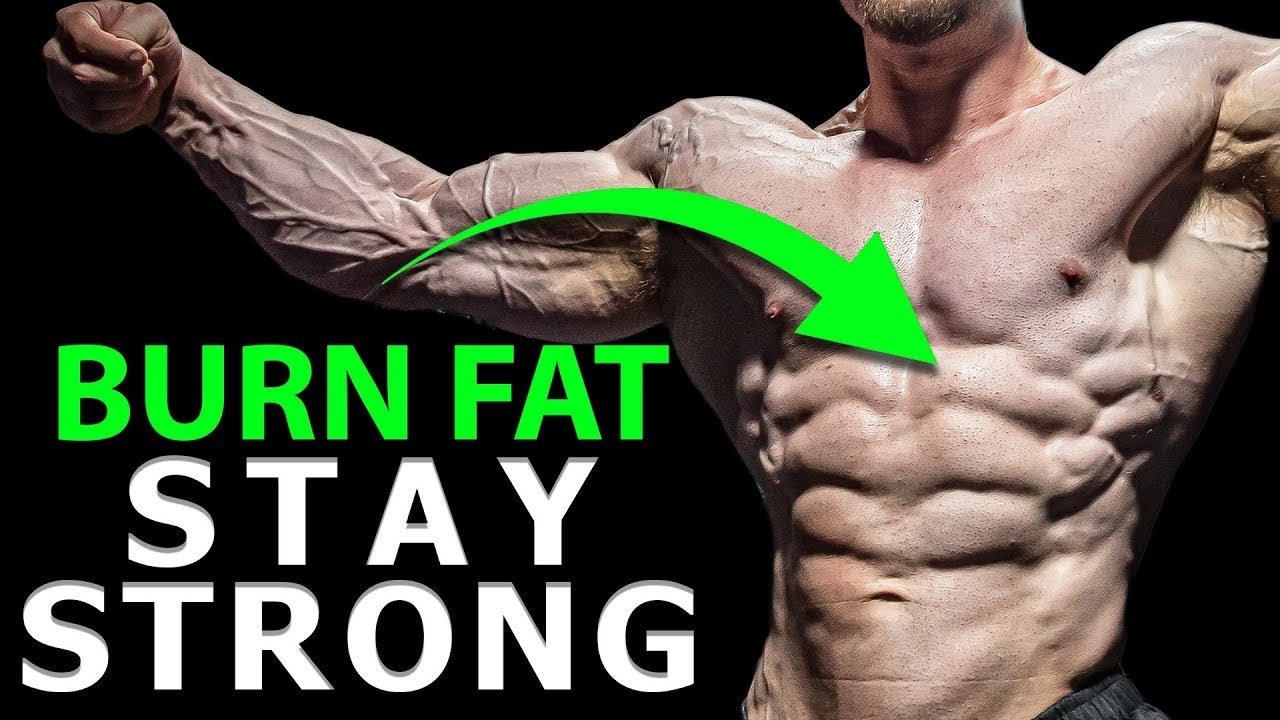

Mastering the Ideal Caloric Deficit for Effective Fat Reduction
Understanding Caloric Deficit and Its Role in fat Loss
Creating a caloric deficit is essential to shedding body fat. This occurs when you consume fewer calories than your body expends, prompting it to use stored fat for energy. Achieving the right balance is crucial—too large a deficit can lead to muscle loss and metabolic slowdown, while too small may stall progress.
Strategies to Calculate and Maintain Your Caloric Deficit
Begin by determining your Total Daily Energy Expenditure (TDEE), which accounts for your basal metabolic rate plus physical activity. From there, a common recommendation is to reduce your daily intake by 15-25% to promote enduring fat loss. For example, if your TDEE is 2,500 calories, aiming for a daily intake between 1,875 and 2,125 calories can be effective.
Balancing Nutrition and Exercise for Optimal Results
Combining a well-structured diet with regular exercise enhances fat loss while preserving lean muscle mass. Incorporate strength training to maintain muscle and cardiovascular workouts to increase calorie burn.Additionally, prioritize nutrient-dense foods rich in protein, healthy fats, and complex carbohydrates to support overall health and satiety.
Monitoring Progress and Adjusting Your Approach
Track your weight, body measurements, and energy levels regularly to assess the effectiveness of your caloric deficit. Adjust your calorie intake or activity level as needed to continue progressing without compromising your well-being. Remember, gradual and consistent changes often yield the best long-term outcomes.
Additional Resources
watch the detailed guide on YouTube for more insights on crafting the perfect caloric deficit tailored to your goals.